“We’re building a village.”
The rehabilitation of Eagle Mill transforms one of the region’s most historic mill into a modern, vibrant community asset that honors the area’s history, sparks economic growth, and addresses affordable housing needs. It’s already quite a story, and it’s really just getting going.

Our Story
For 200 Years, The Backbone of Lee’s Economy
Tough Times Ahead
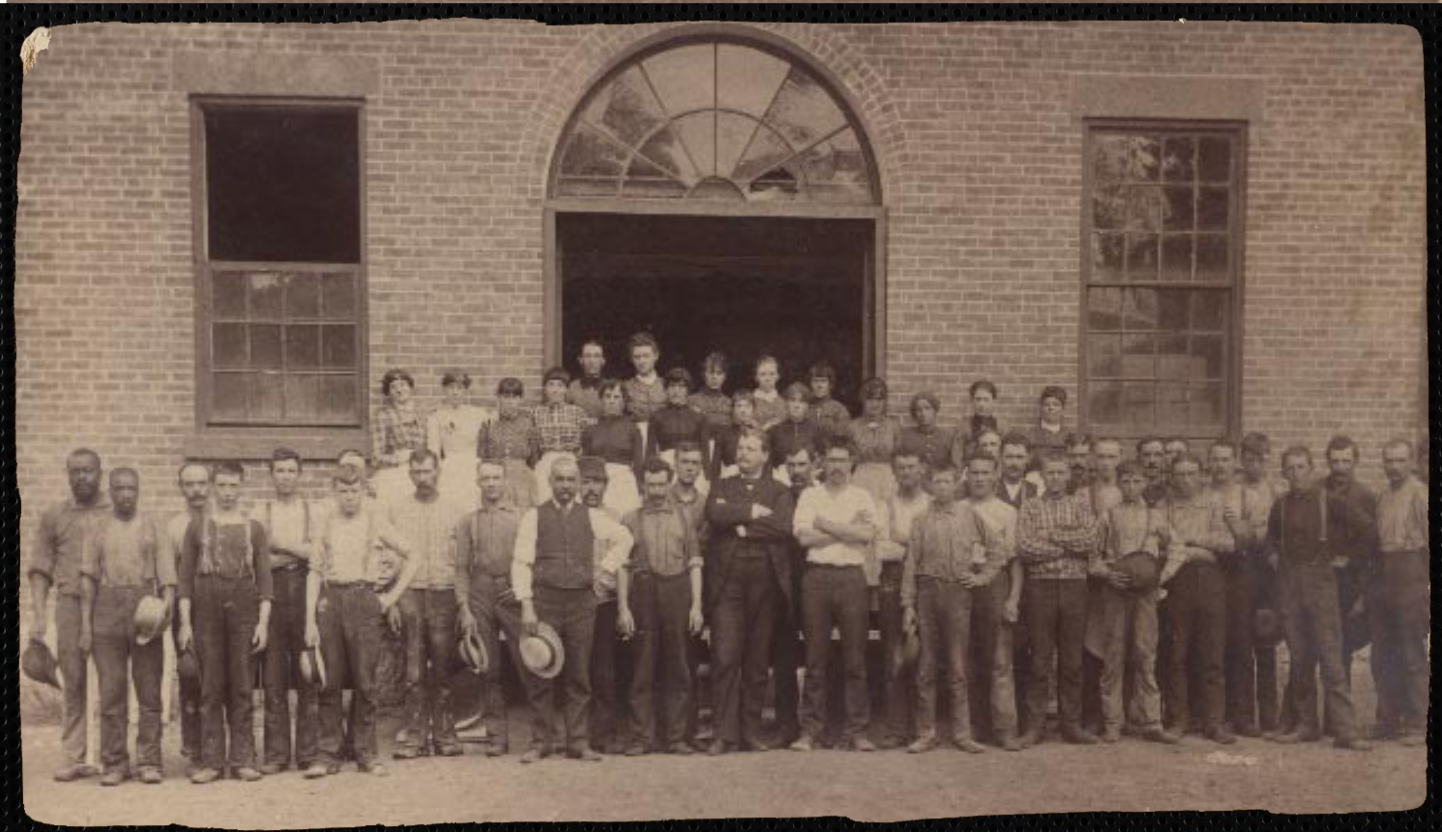
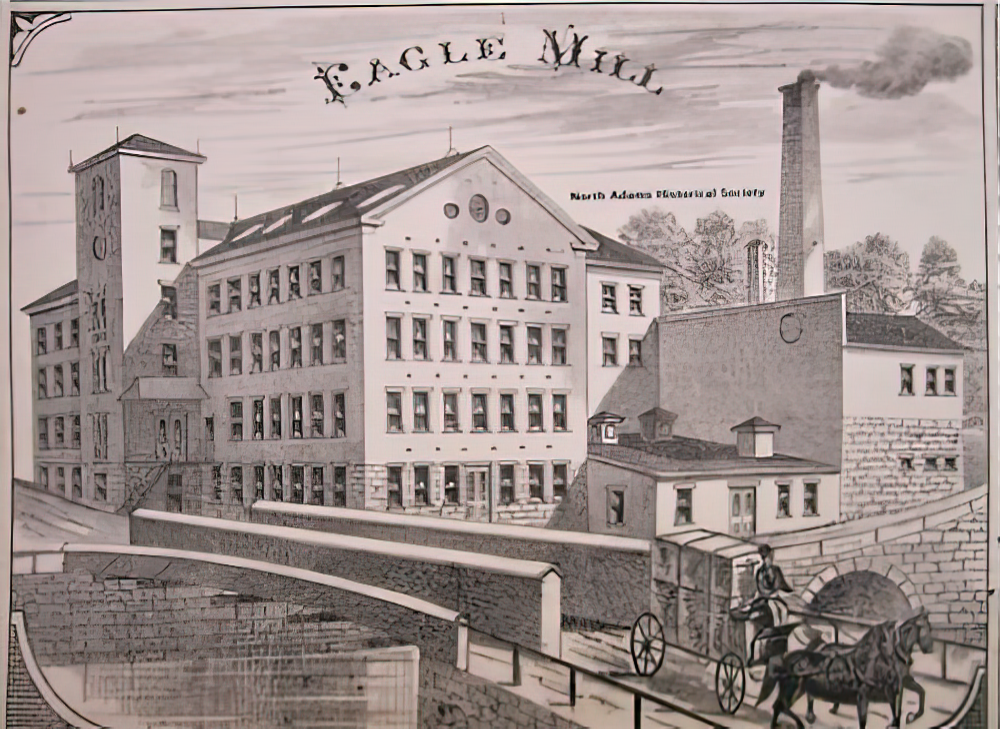
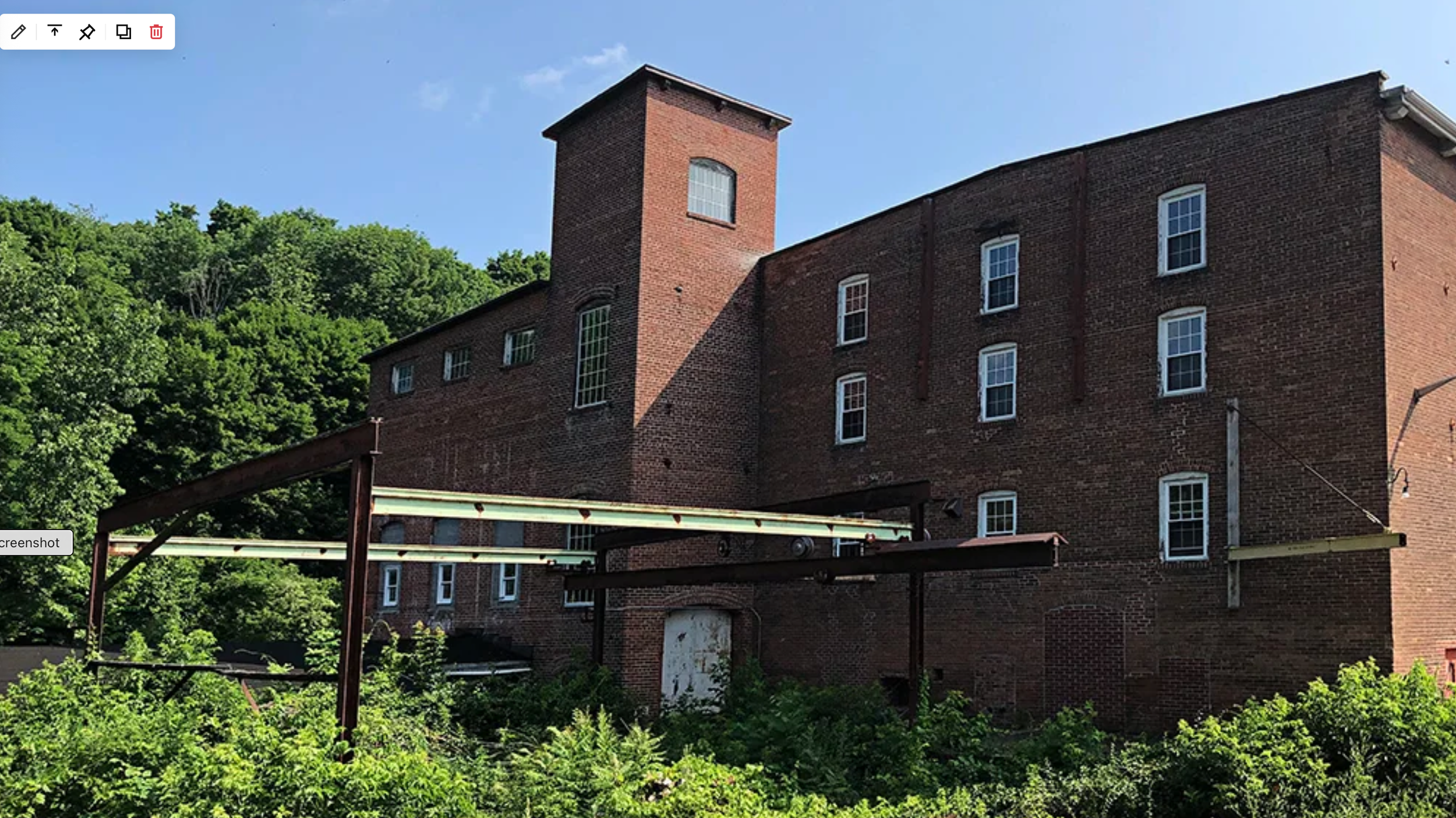
Built in 1808, Eagle Mill borders the Housatonic River in Lee, Massachusetts, a Southern Berkshire town of nearly 6,000 residents. In the late 1800s, Lee led the nation in papermaking, at its peak with 25 mills. Papermaking was the backbone of the economy in the 19th and early 20th centuries due to the town's access to water power from the Housatonic River and abundant wood resources. The Eagle Mill, located in the town center, exemplified this dominance.
But the times changed. As local labor costs rose and wood became scarcer in Massachusetts, papermaking declined. Part of the reason was competition, first from mills in well-forested Wisconsin and then from Canada. After World War I, paper mills in Massachusetts began to close. The industry survived by focusing on the manufacture of specialty papers, such as writing bond, which prospered until the 1970s.
“The paper industry in New England is going away, There’s the possibility that those buildings will become dark by the end of next year”
2008 The Mill Goes Dark
Though demand for paper products from the mill began to taper off in the early 2000s, Eagle Mill continued operating and employing generations of Lee residents until 2008, when paper company Schweitzer-Mauduit closed its four remaining Lee mills, eliminating more than 350 jobs and leaving the mills vacant and deteriorating. Like so many New England towns hit by the manufacturing exodus, the Eagle Mill closing weighed hard on Lee
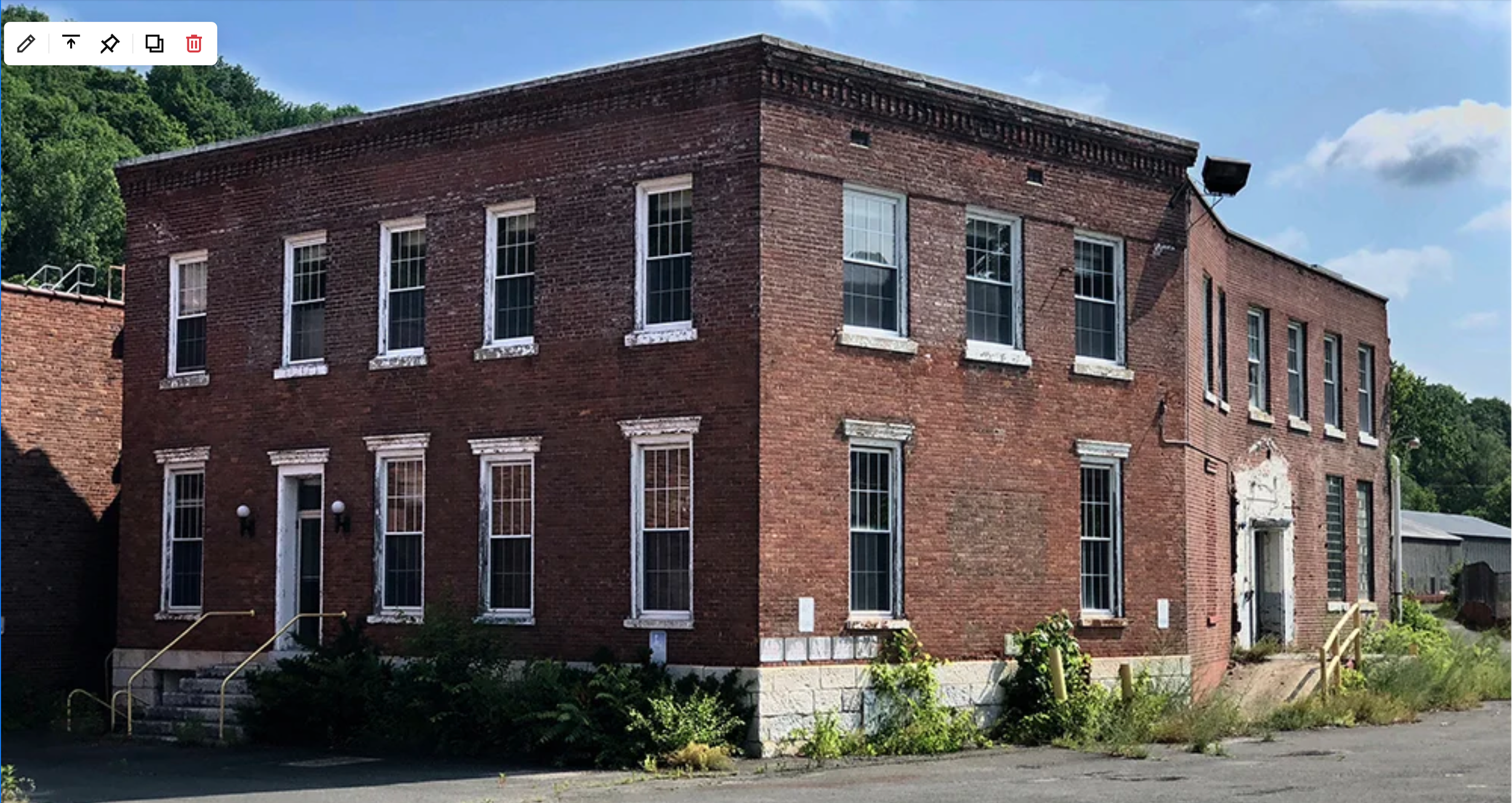
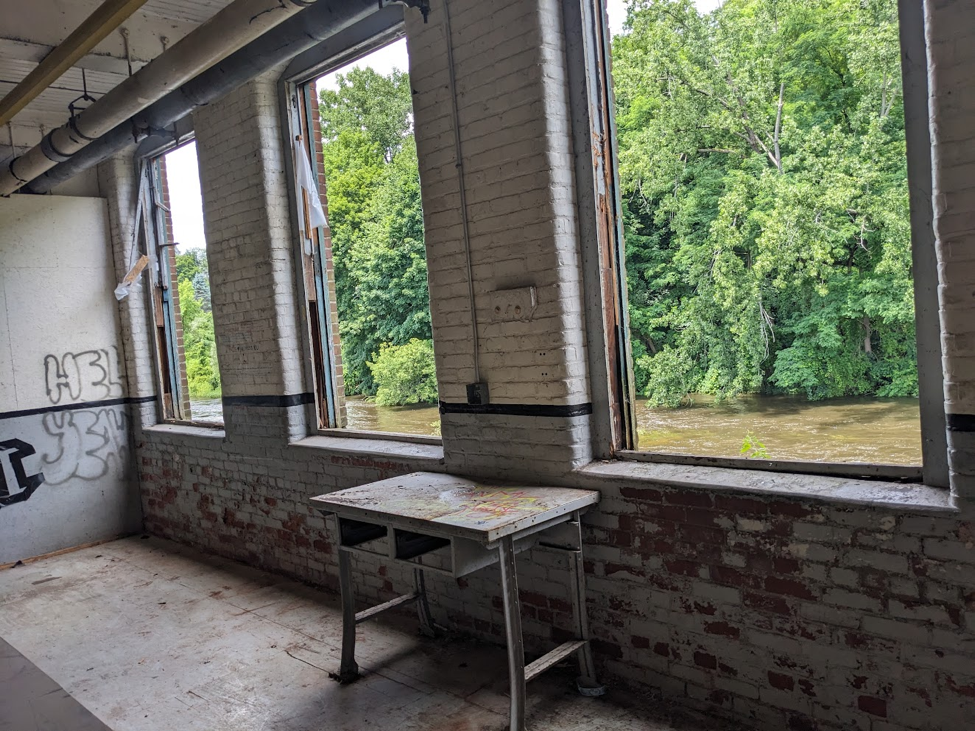
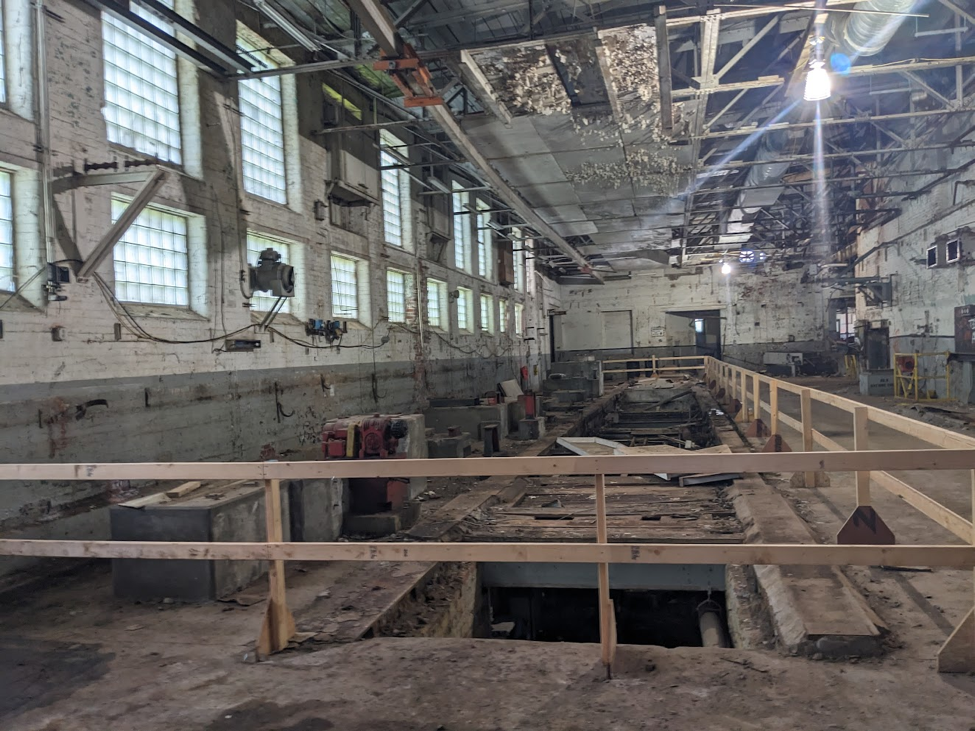
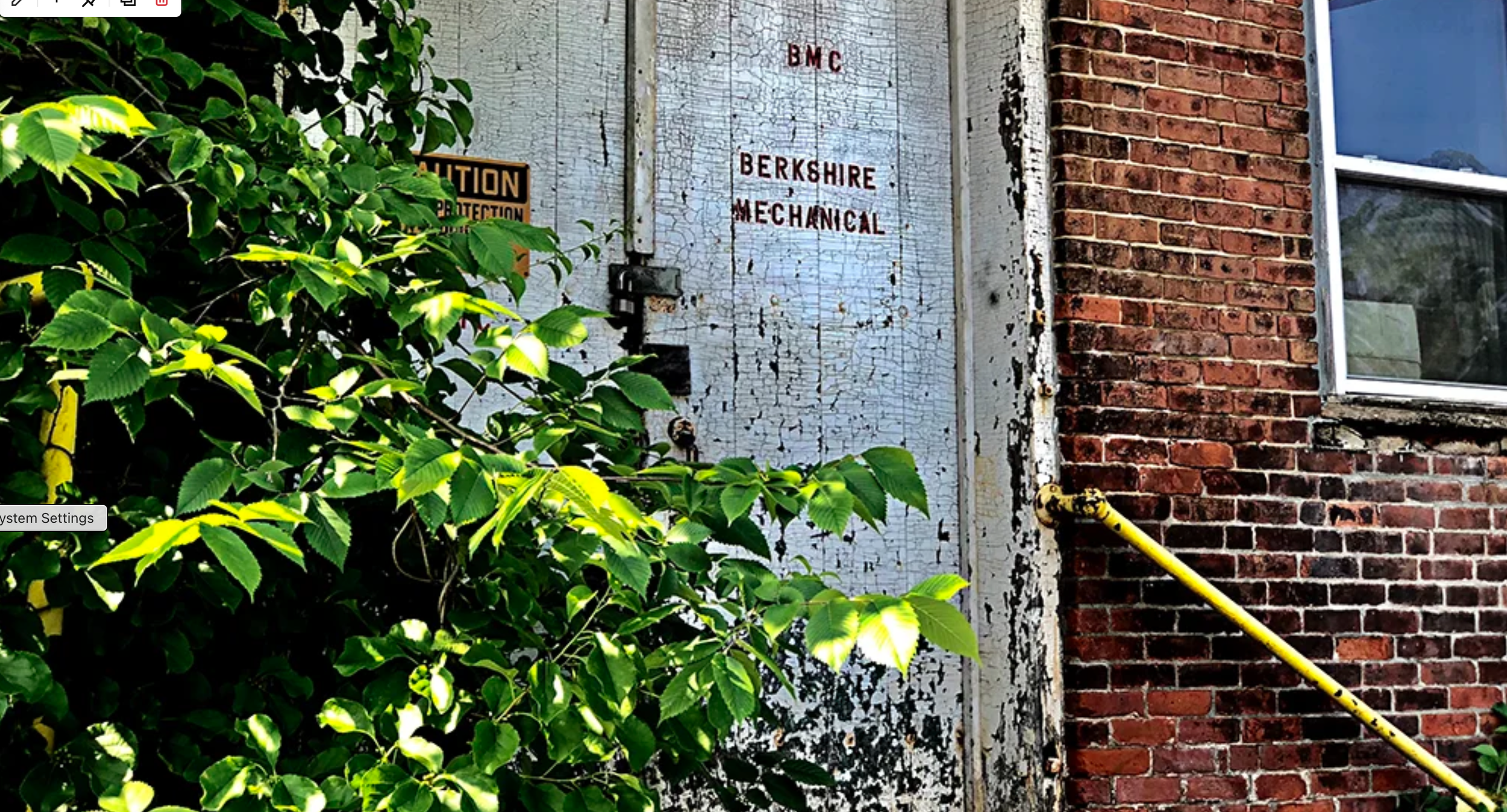
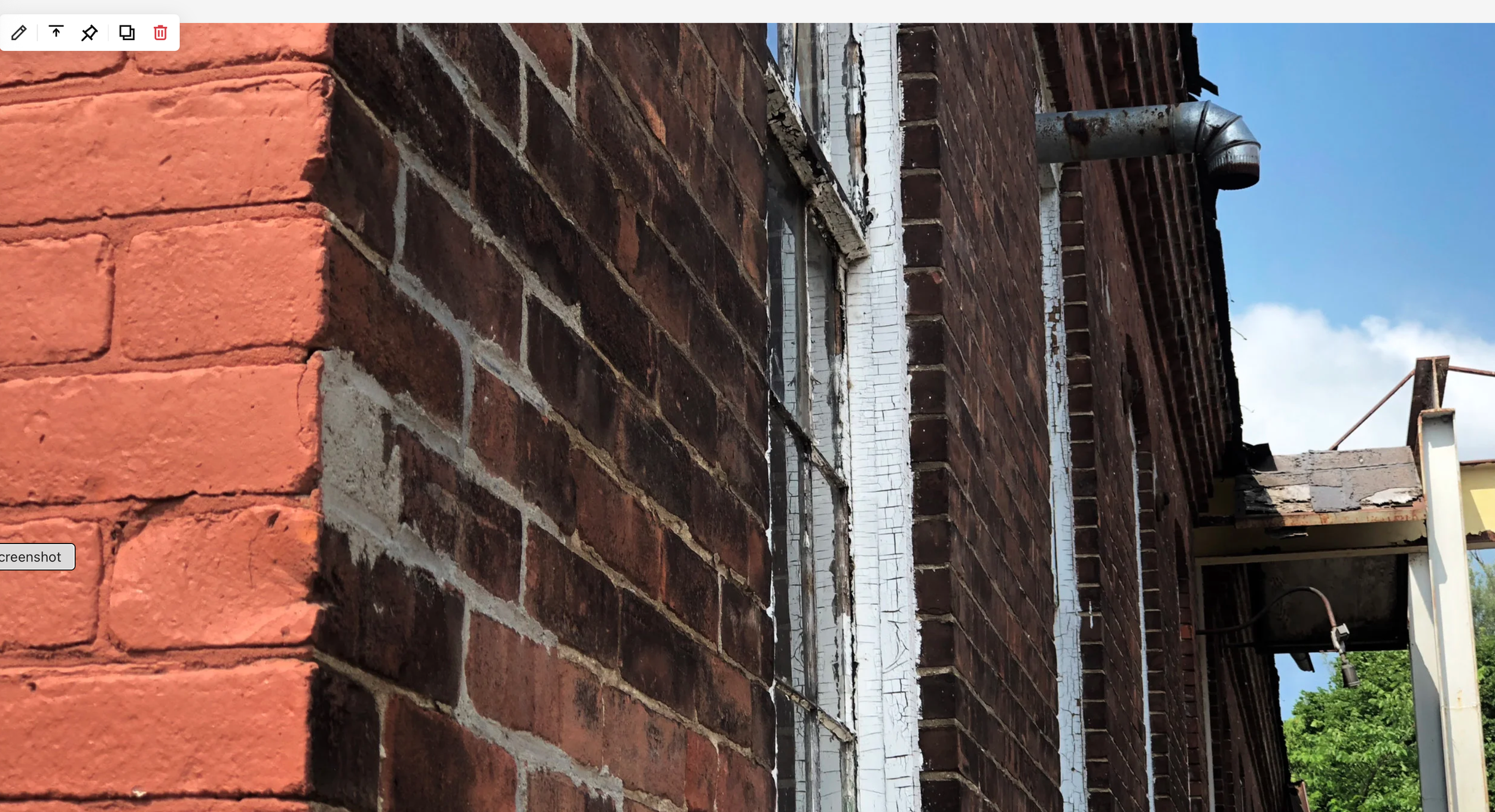
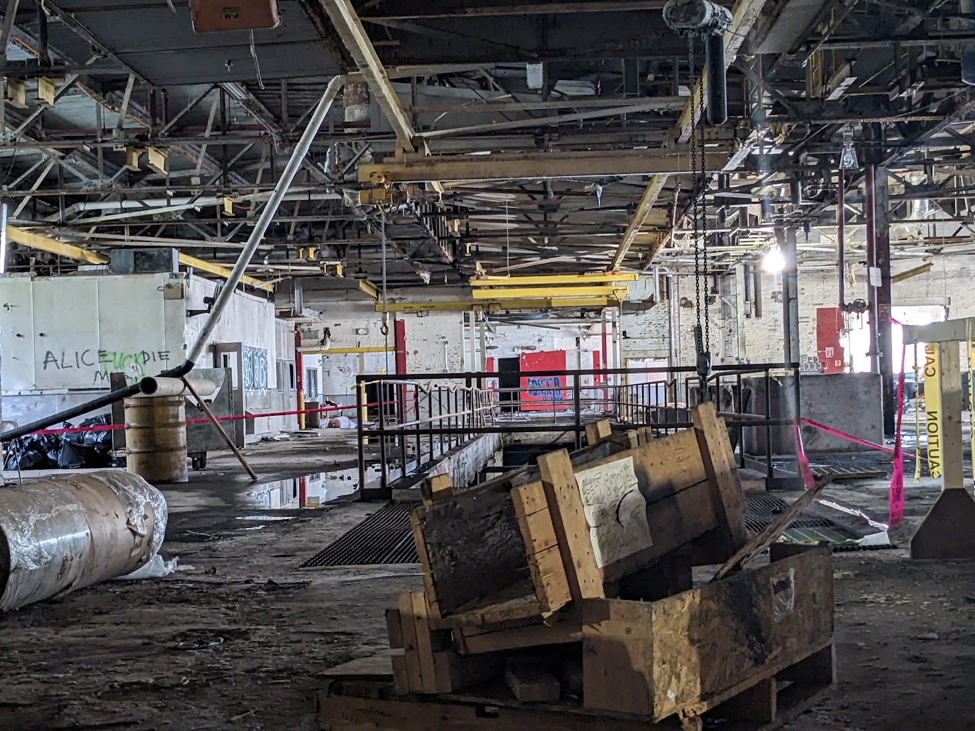
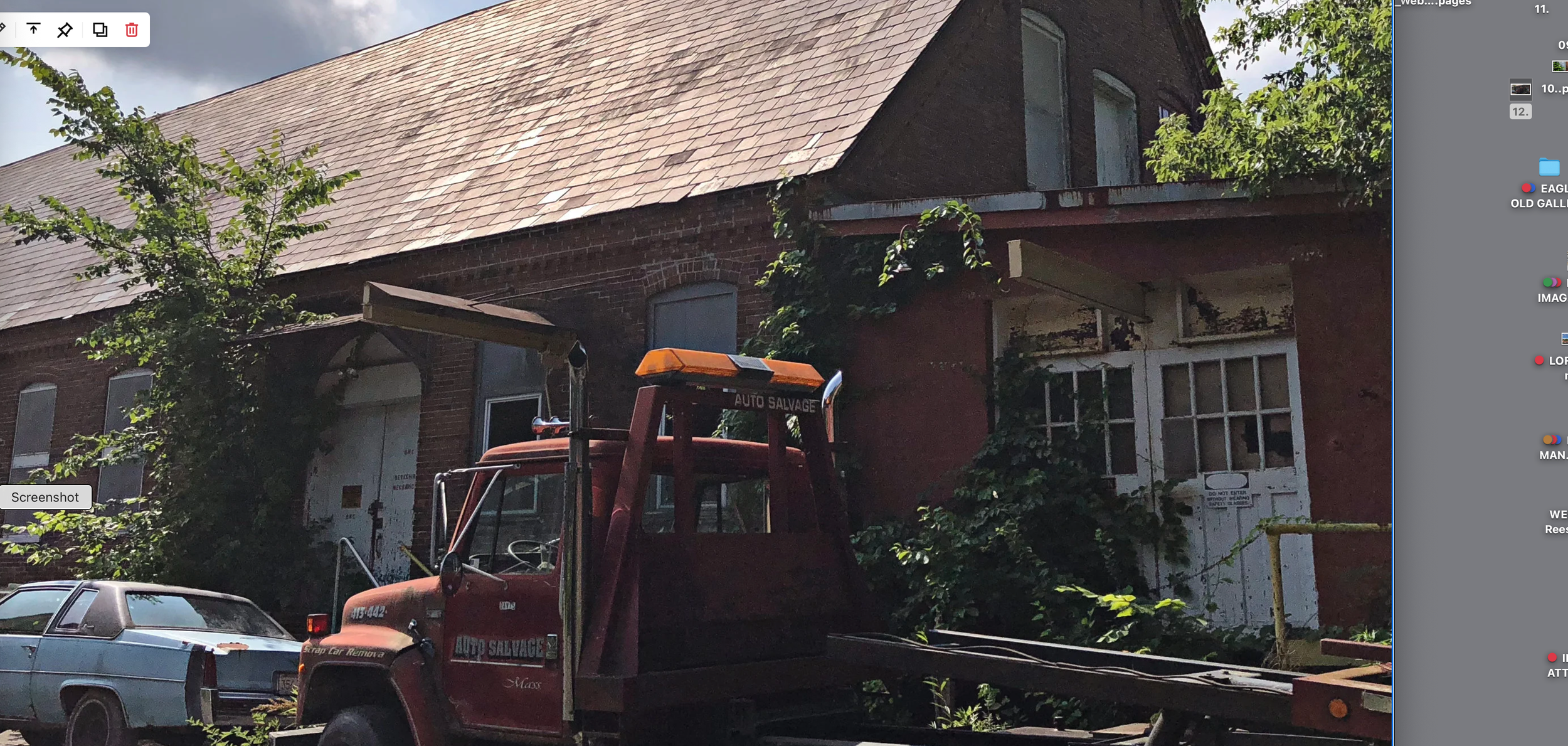
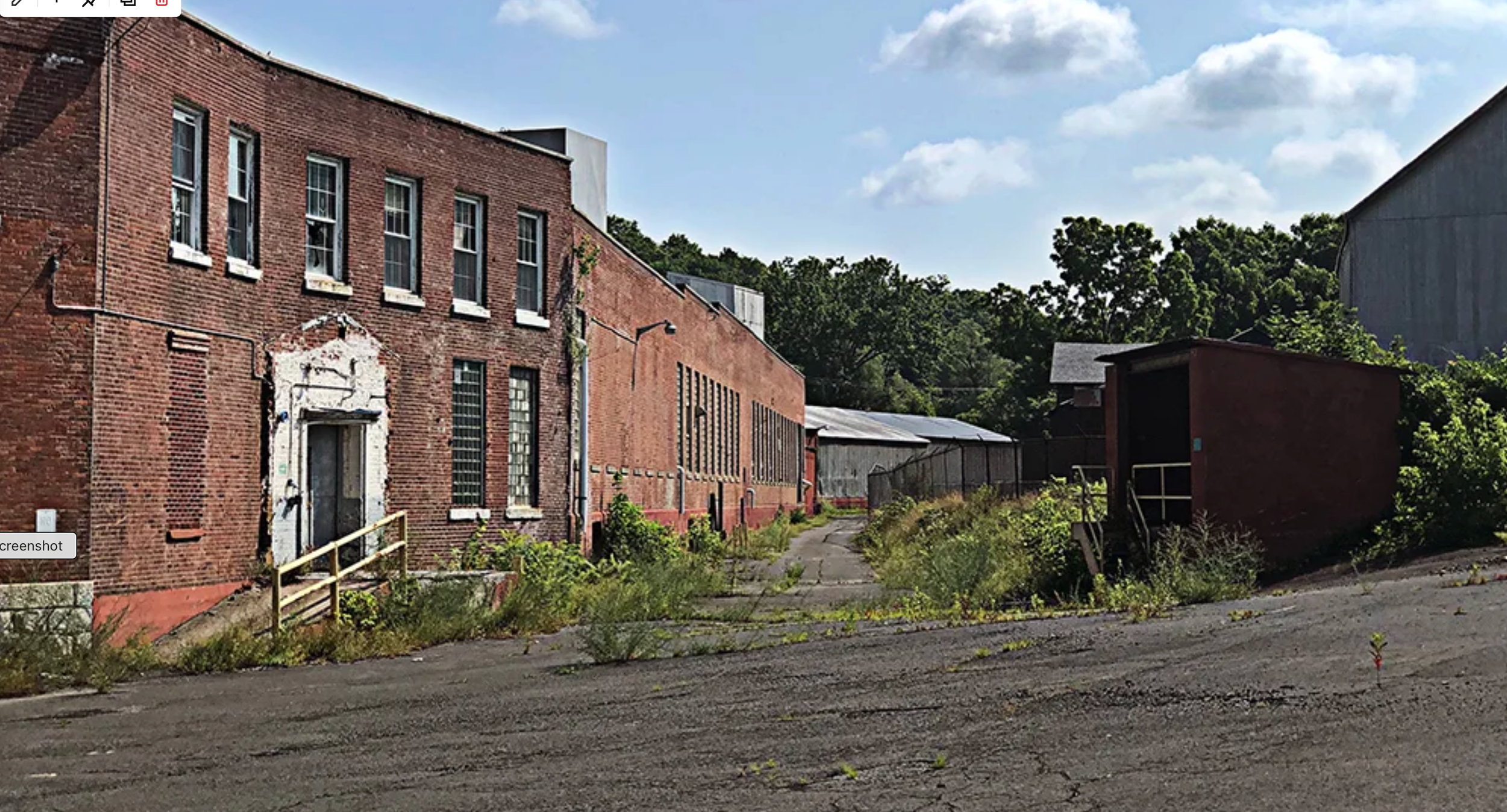
After the 2008 closure, the Eagle Mill complex was essentially abandoned. The property deteriorated significantly, leading to a decline in the structural integrity of the buildings. The ripple effects of a mill shutting down were both immediate and long-term. While workers faced employment struggles, the broader implications touch everyone from local business owners to regional and national markets, prompting local officials to pursue redevelopment initiatives aimed at revitalizing the site and surrounding area. Options included transforming the mill into affordable housing and commercial spaces to stimulate local growth and job creation, if a developer cpould be found.

A New Beginning
“I love that the Mill sits atop Lee’s Main Street. It’s like a crown overlooking the whole town. ”
In 2012, developer Jeffrey Cohen, who had been drawn to the property, stepped up and purchased Eagle Mill from the Quinn family for $700,000. He recognized its potential to add significantly to much-needed housing in the Southern Berkshires. At the same time, he wanted to preserve an important piece of Lee’s history. He. reached out to other developers to join the project to fulfill the redevelopment vision.
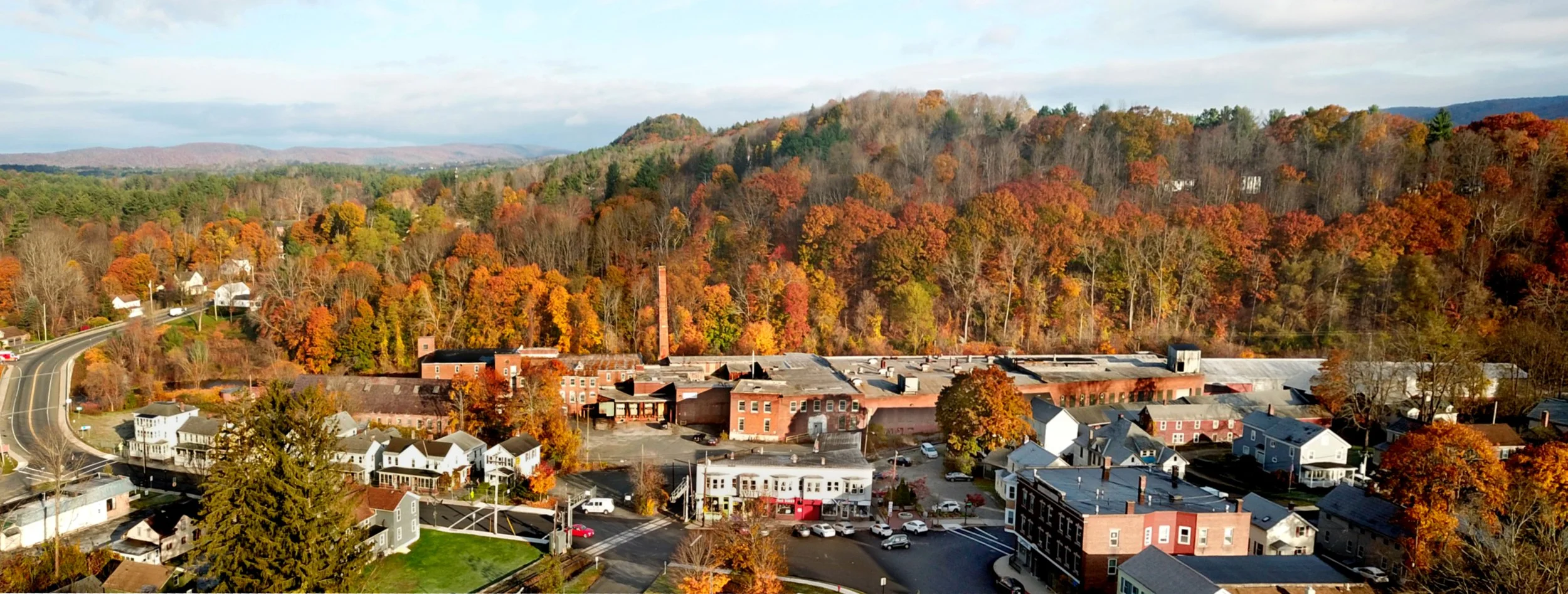
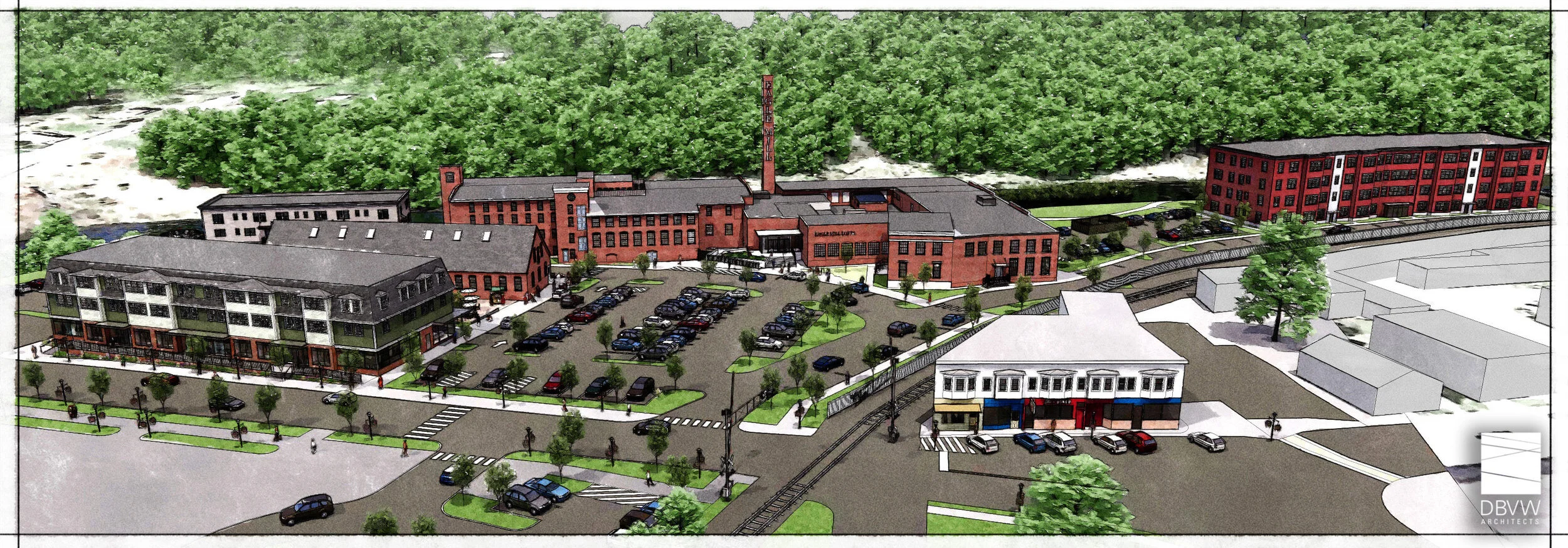
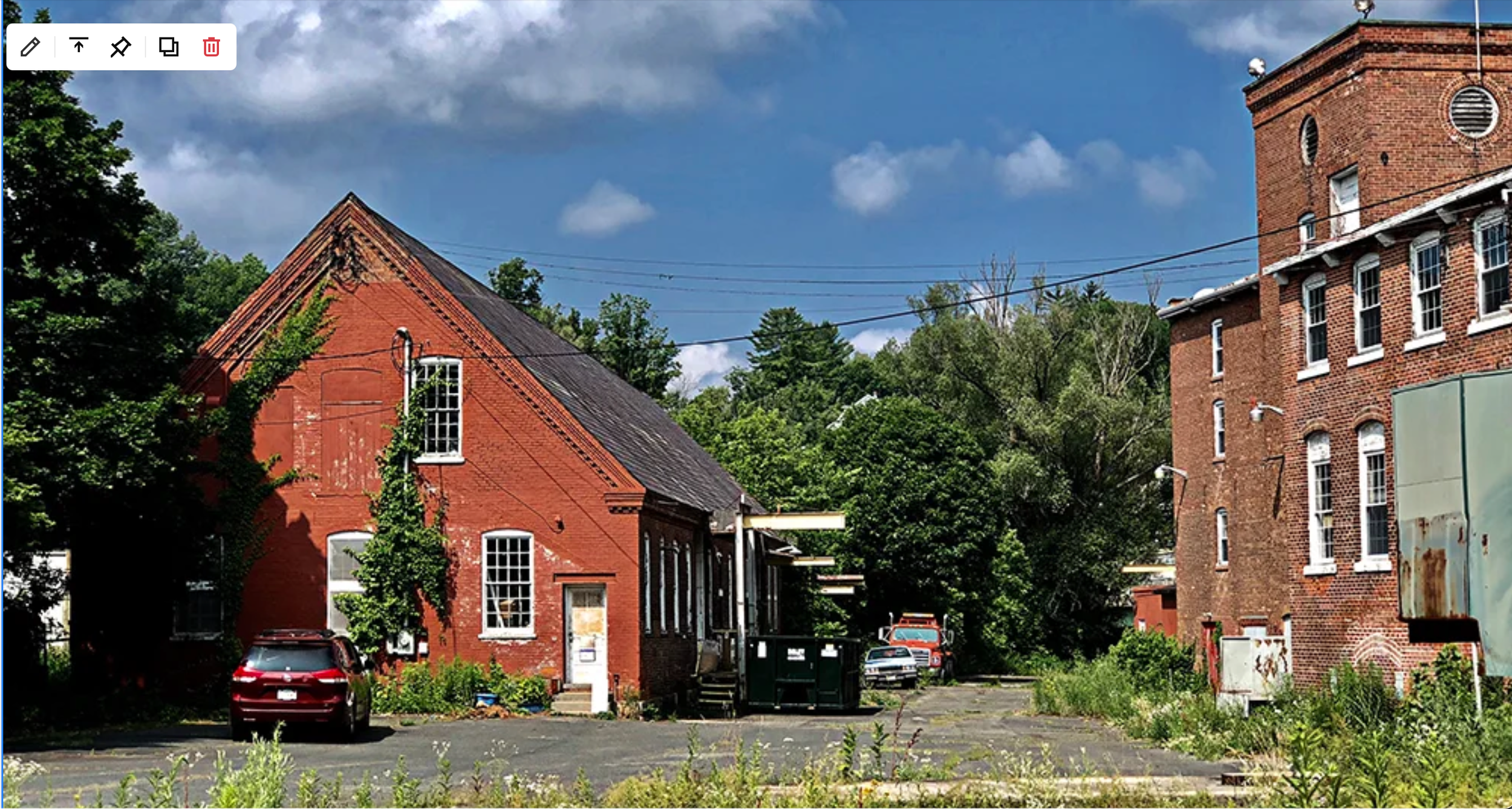
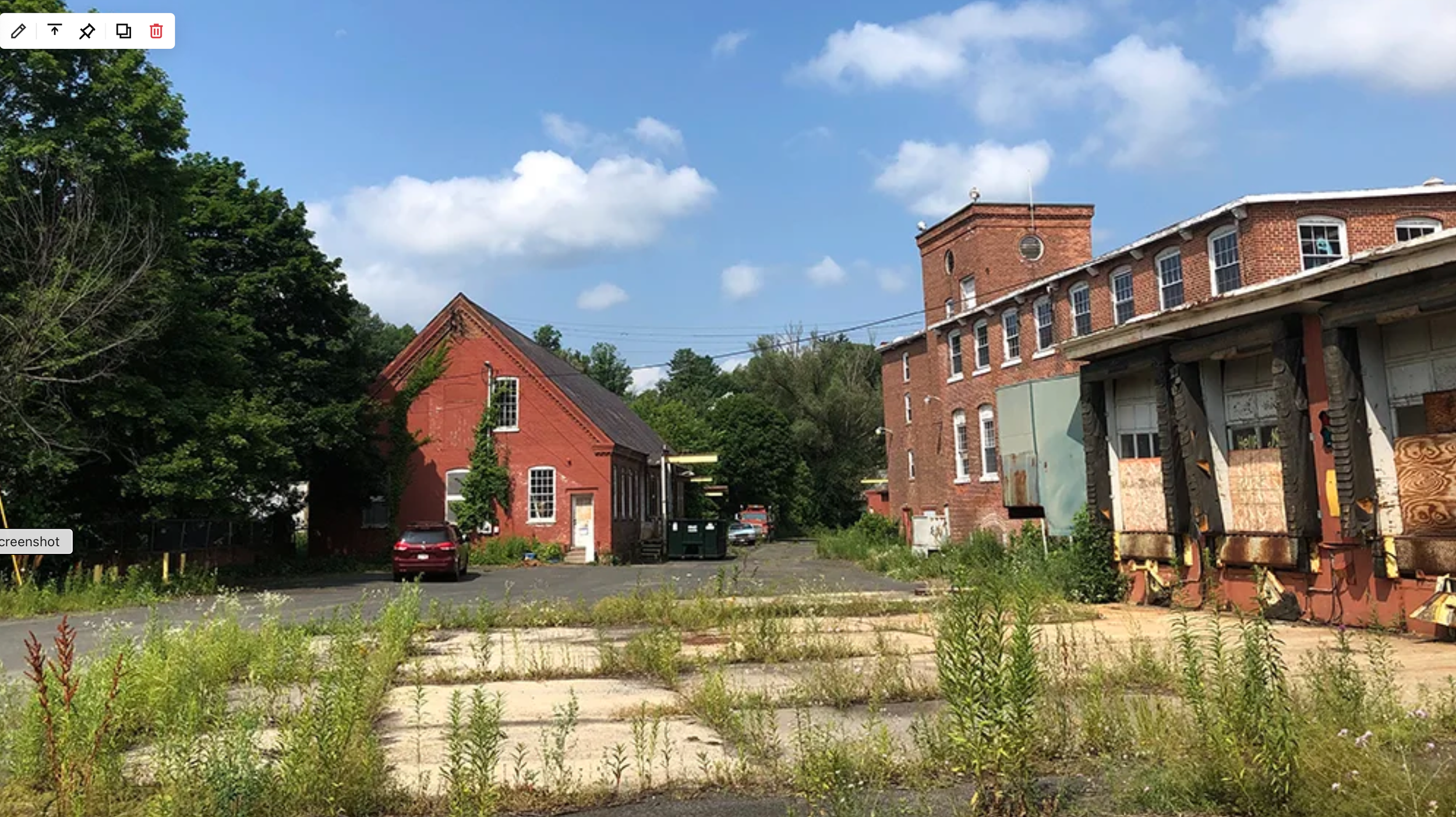
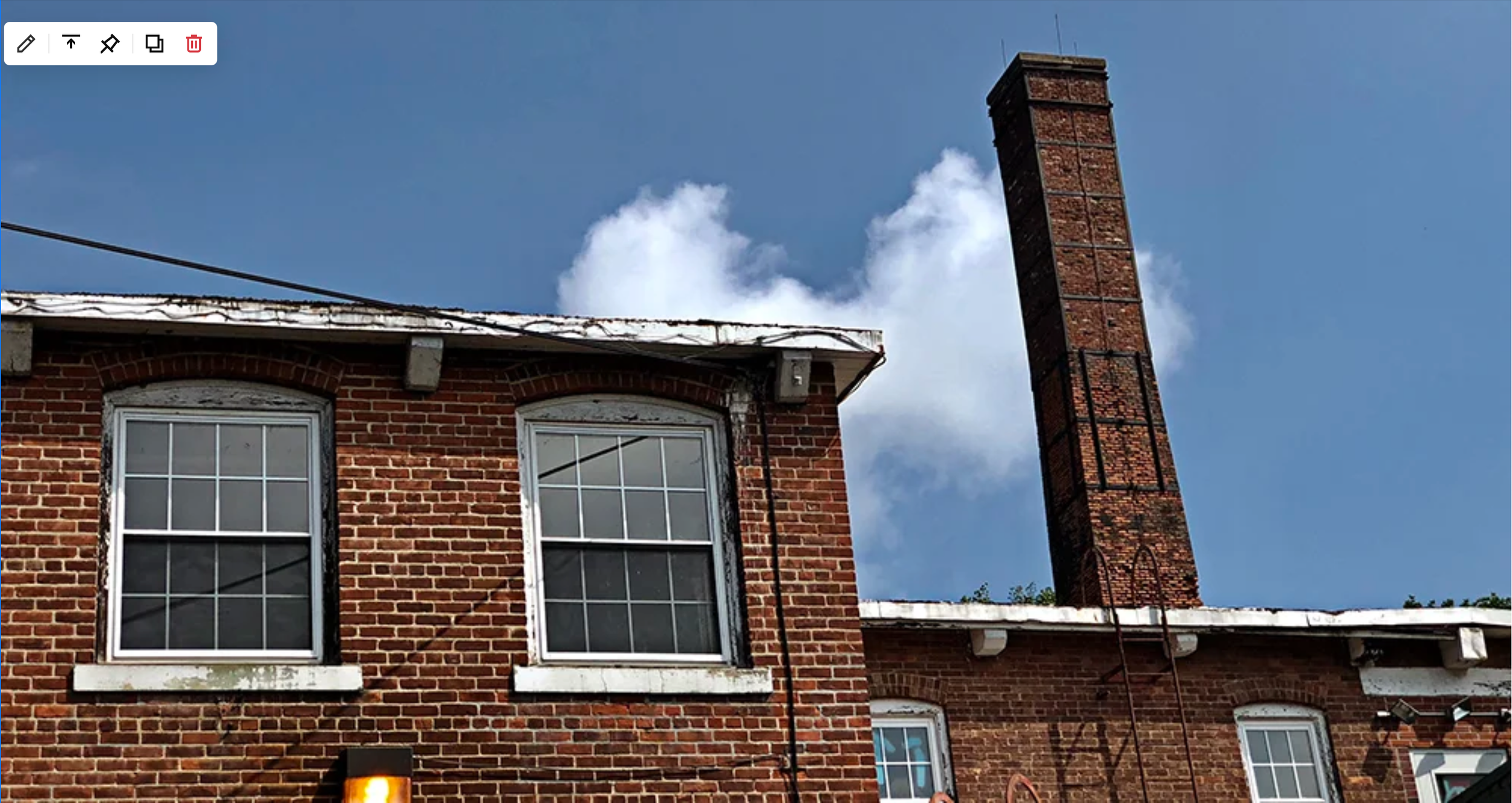
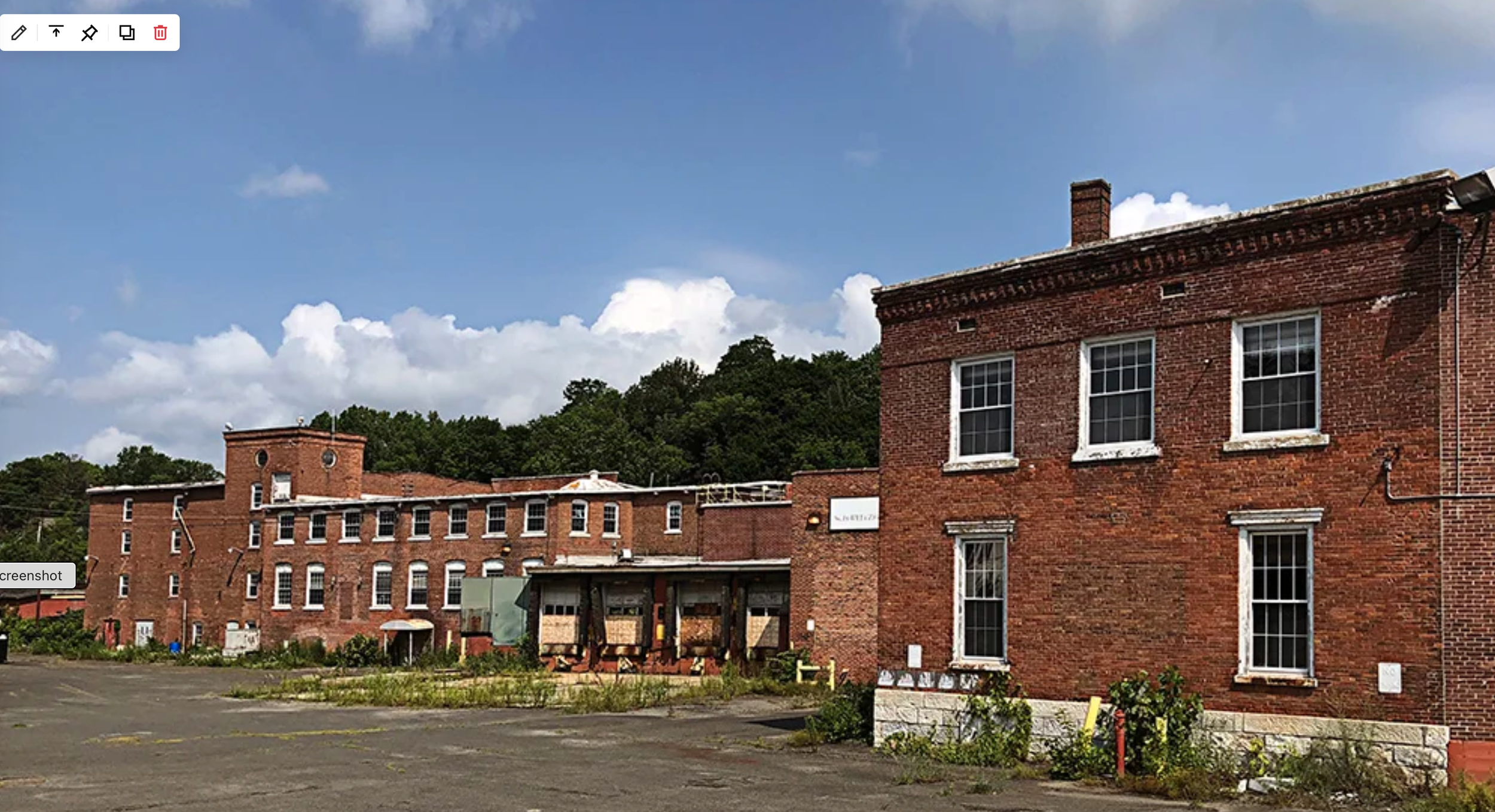
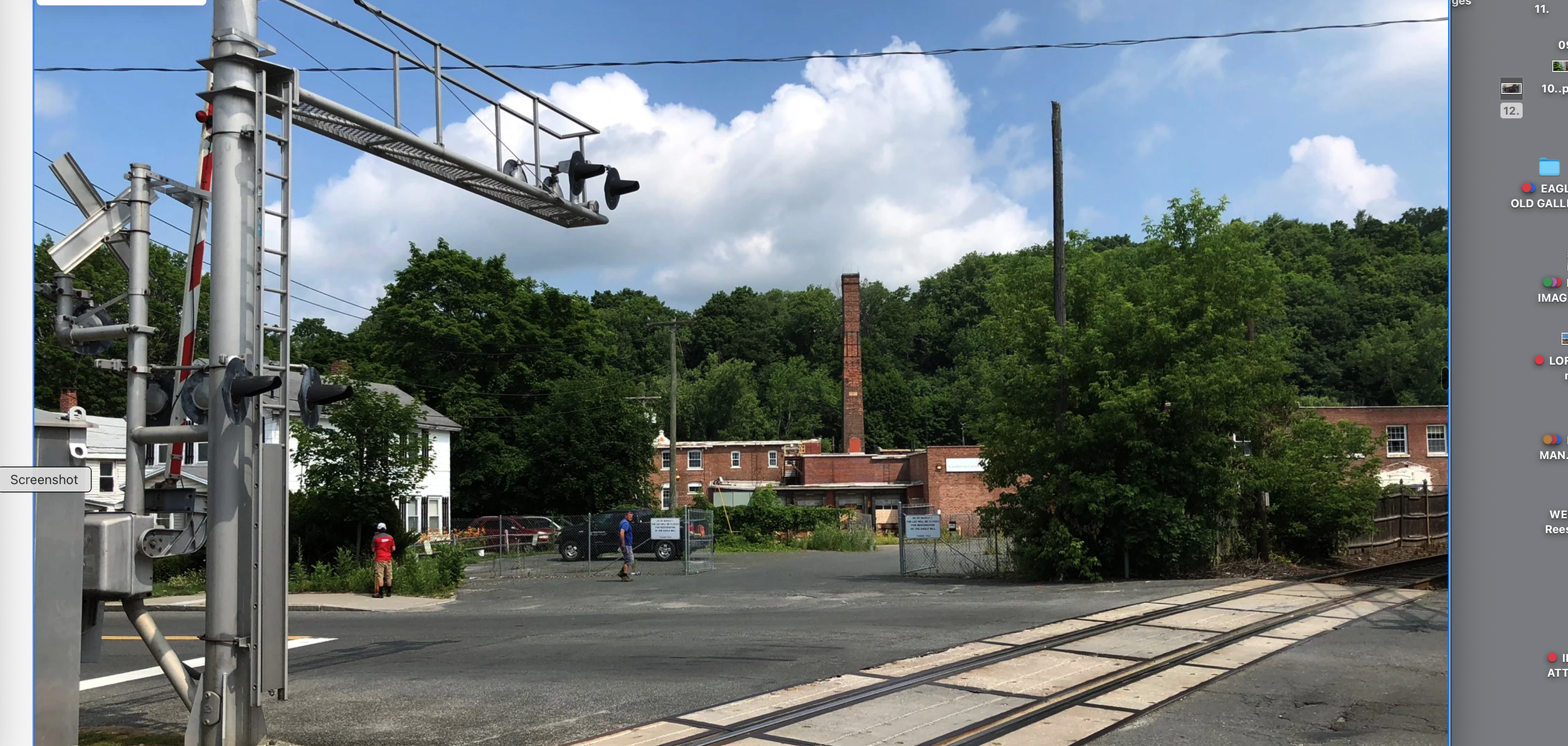
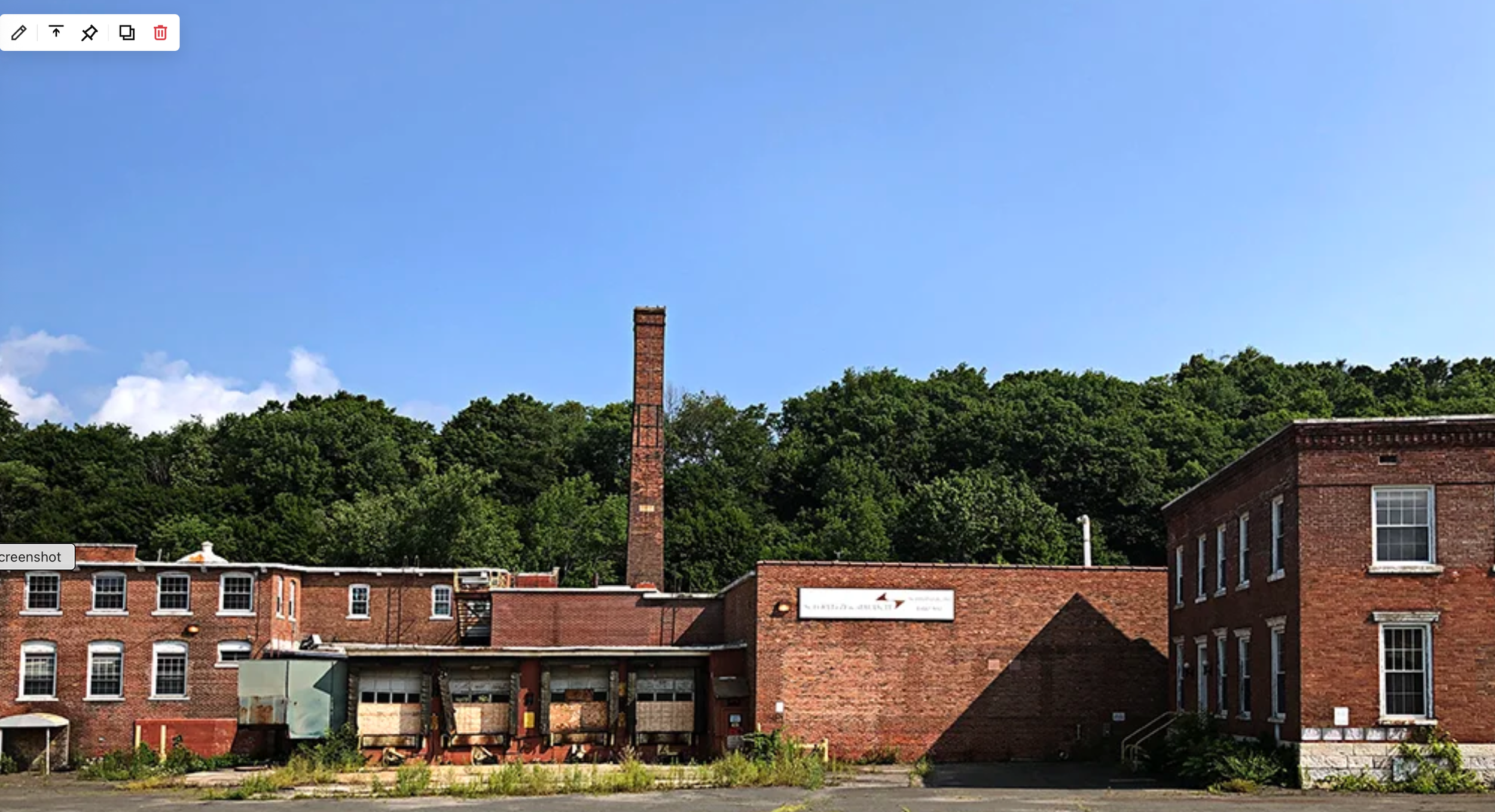
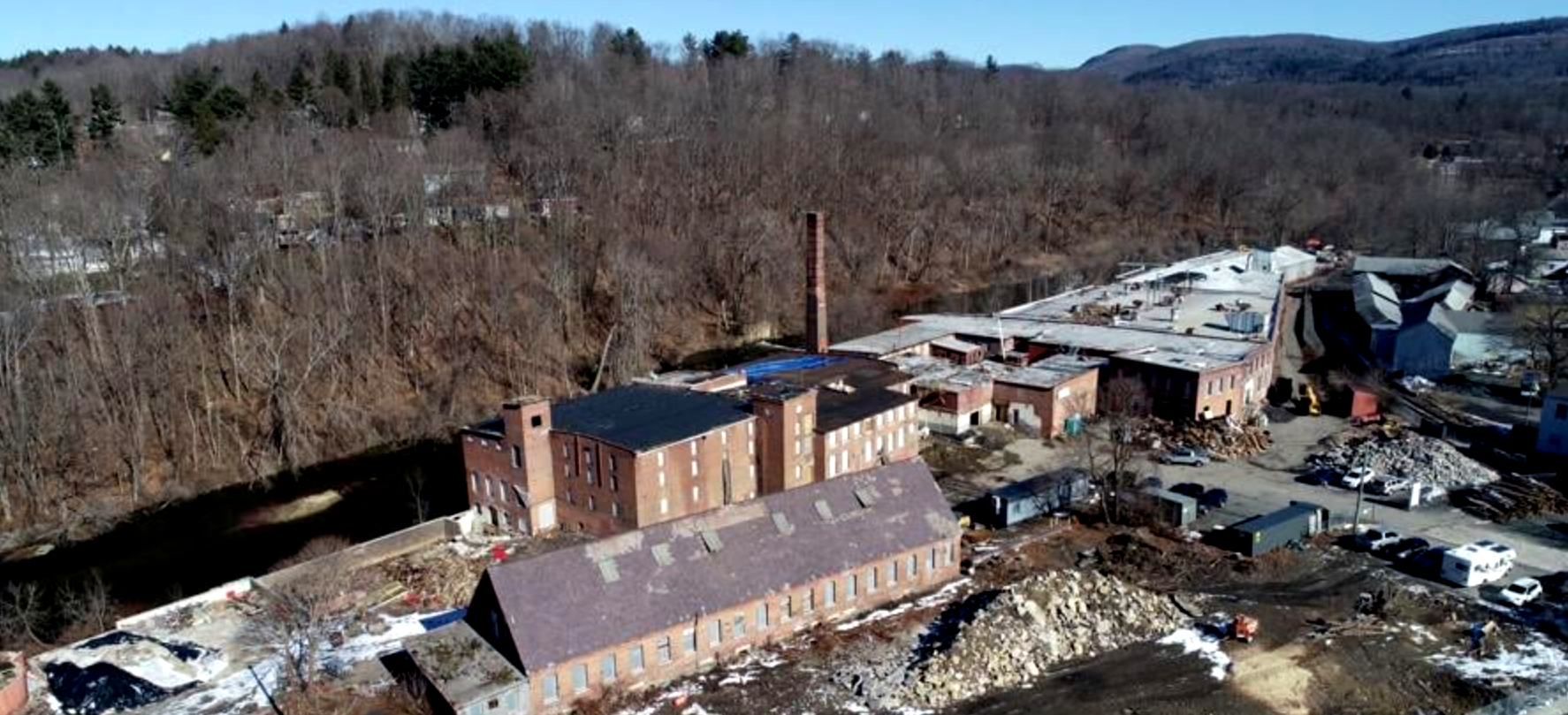
The Eagle Mill property adjoins Lee’s West Center Street (MA Route 20) and includes a section of the Housatonic River behind the tall smokestack. (Picture taken before groundbreaking in 2021.)
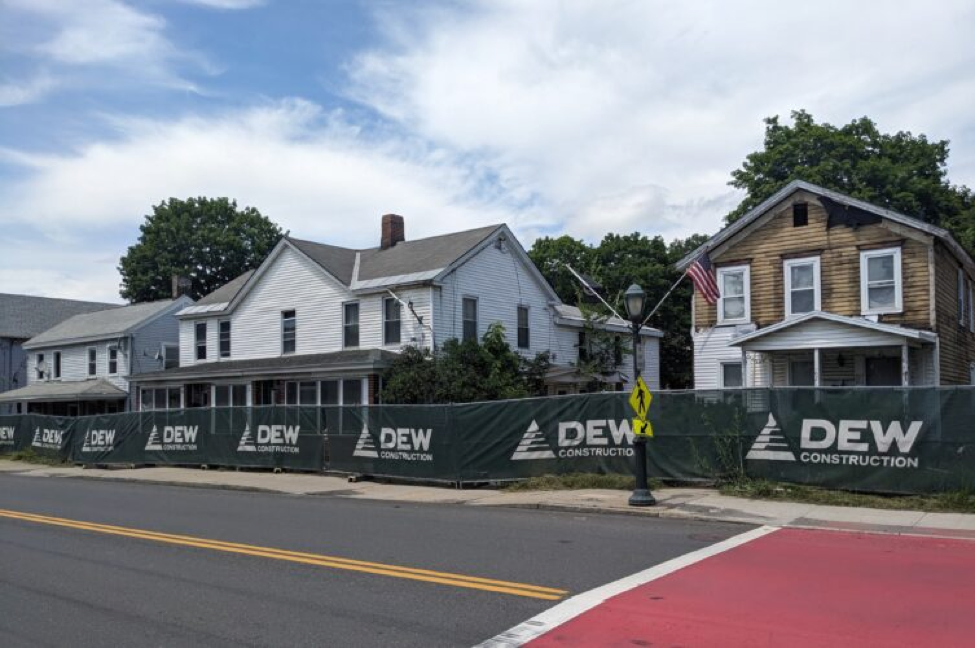
According to Cohen, “It is incredibly fortunate that MassDevelopment has joined the project. They have so many tools by which they are able to enhance the likelihood of our project’s success,” Cohen adds. “The essential turning point that will lead to the project’s ultimate success was, and is, the approval by then-Secretary [Jay] Ash and MassWorks of the $4.9 million grant to the town of Lee, enabling the replacement of the water line to the mill, without which we would not have been able to move forward. DEW Construction is a key partner and the project’s general contractor, bringing experience and expertise with projects of more than $150 million each year.” Cohen said, “It is incredibly fortunate that MassDevelopment has so many tools by which they are able to enhance the likelihood of our project’s success.”

“The concept of the project is to create a community center to accommodate residents and businesses and be a link to Main Street.” ”
Vision for the Future
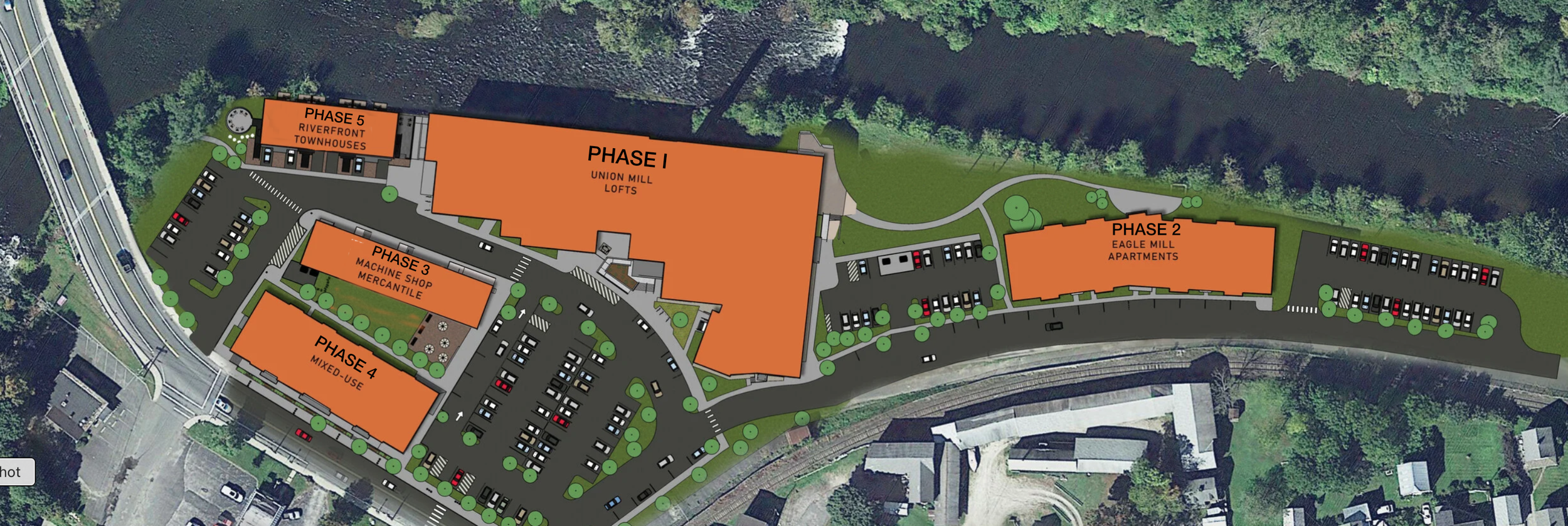
As the project’s vision evolved, Jeff and John Rudzinski of Rees-Larkin Development assembled an exceptional team—including municipal leaders, state partners, Hearthway, and many others—whose perseverance and collaboration are transforming an abandoned mill into a 60 million dollar project to restore the entire Eagle Mill facility, with 56 new homes as the first phase, and four additional phases to follow. When completed in 2028-2029, the project will have created 122 units of affordable housing and 20,000 sq ft of retail space.

November 10, 2021- Real Progress
At the Eagle Mill complex that November morning, developer Jeff Cohen welcomed about 100 people to the sprawling but decrepit mill complex to hear words from dignitaries and hold a ground-breaking for the 60-million-dollar project that has been in the making for almost 10 years. It’s not quite yet the culmination of a dream, they were told; it is, though, the tangible beginning of the realization of a developer’s vision to rehabilitate an old downtown mill complex and turn it into affordable housing and a retail center that everyone hopes will revitalize the town of Lee.
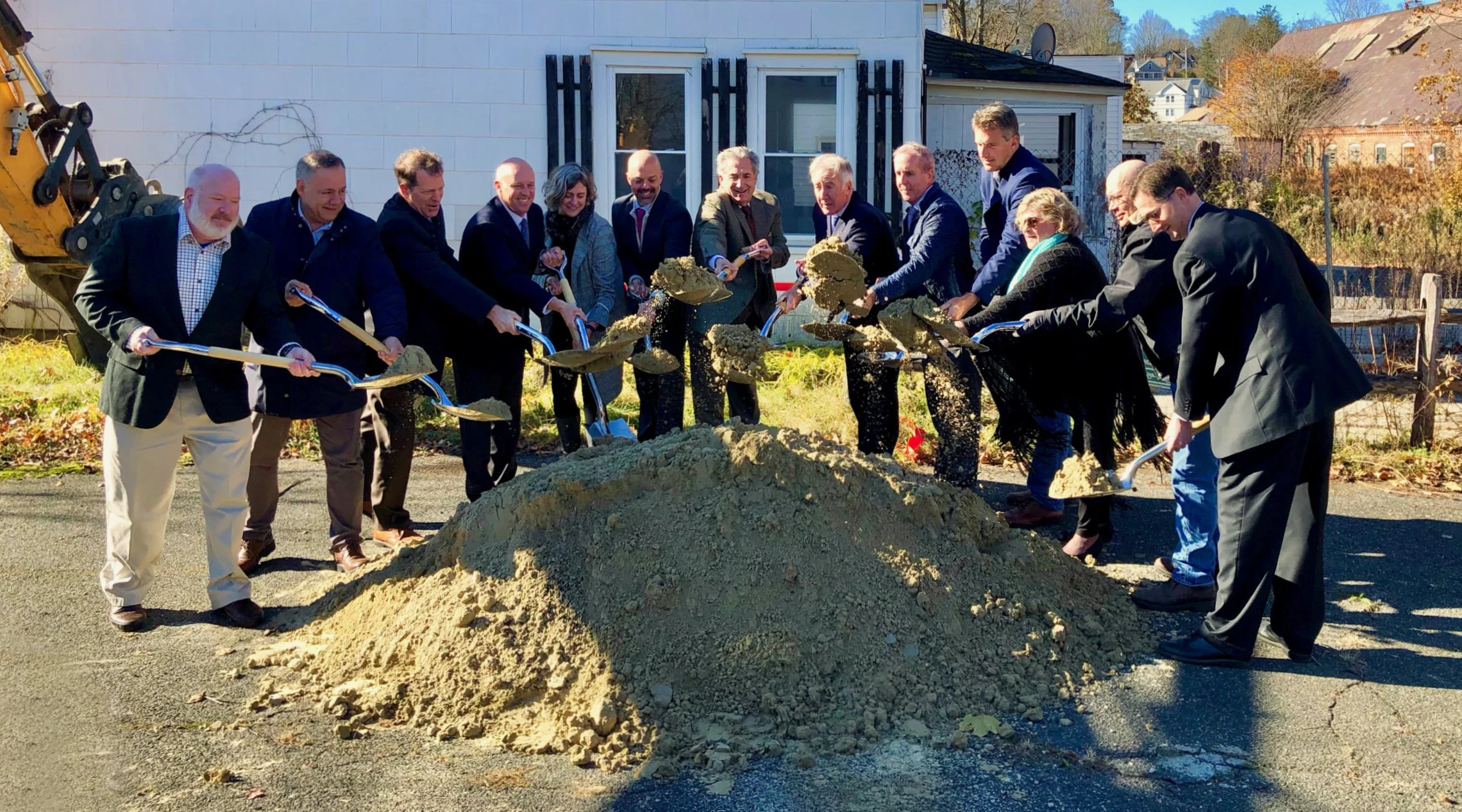
Ceremonial ground is broken at the Eagle Mill development site in Lee during November event. Developers, state, and community stakeholders pose for a traditional ground-breaking.
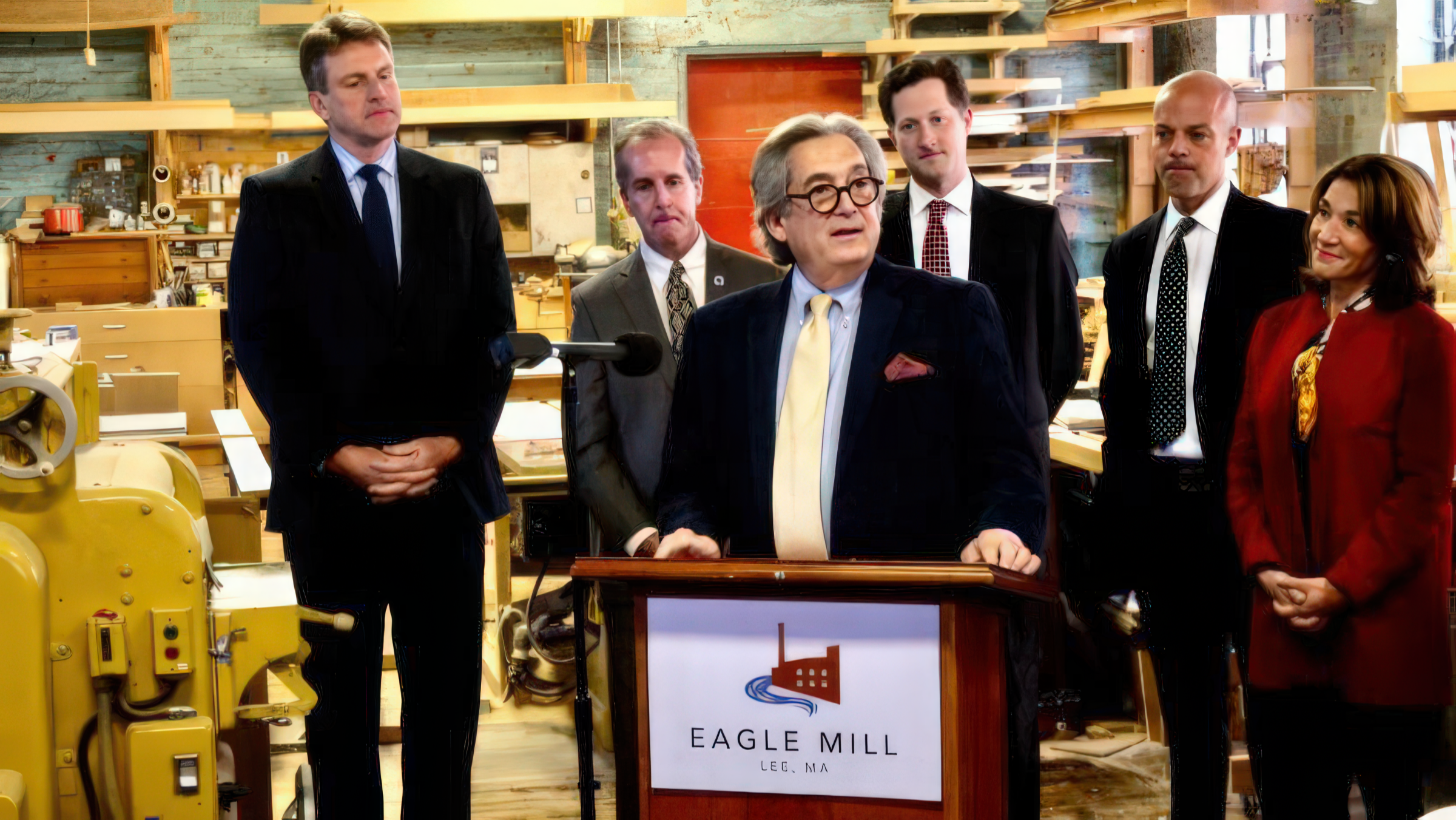

“While getting the project to closing was sometimes exhausting, it was exhilarating at the same time. Construction can now move ahead at full steam,” said lead developer Jon Rudzinski of Rees-Larkin Development of Boston. For Eagle Mill Redevelopment LLC Principal Jeff Cohen of Great Barrington, who has been pursuing the project for 12 years, the closing marks a significant turning point — and erases all doubt that his vision for the former paper mill will become real. "It feels wonderful. There are always going to be bumps in the road, but we are getting through them. The Closing represents major league credibility. It will give us the impetus to get approved for Phase II and beyond.
“Full Steam Ahead”
Spring 2024-Reconstruction Begins
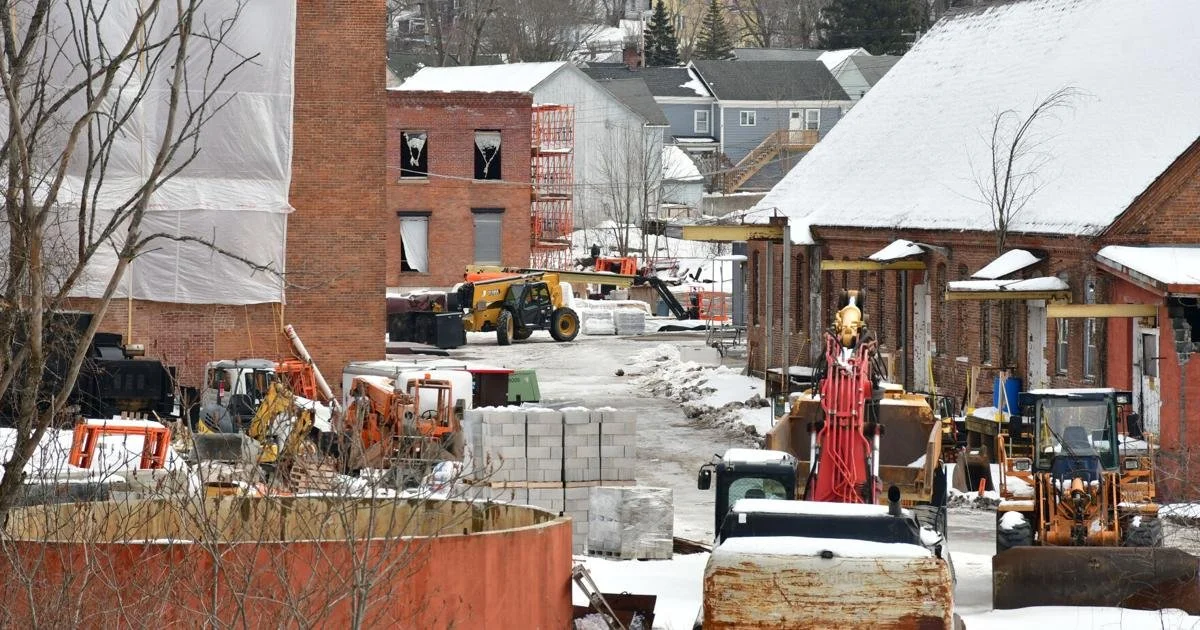
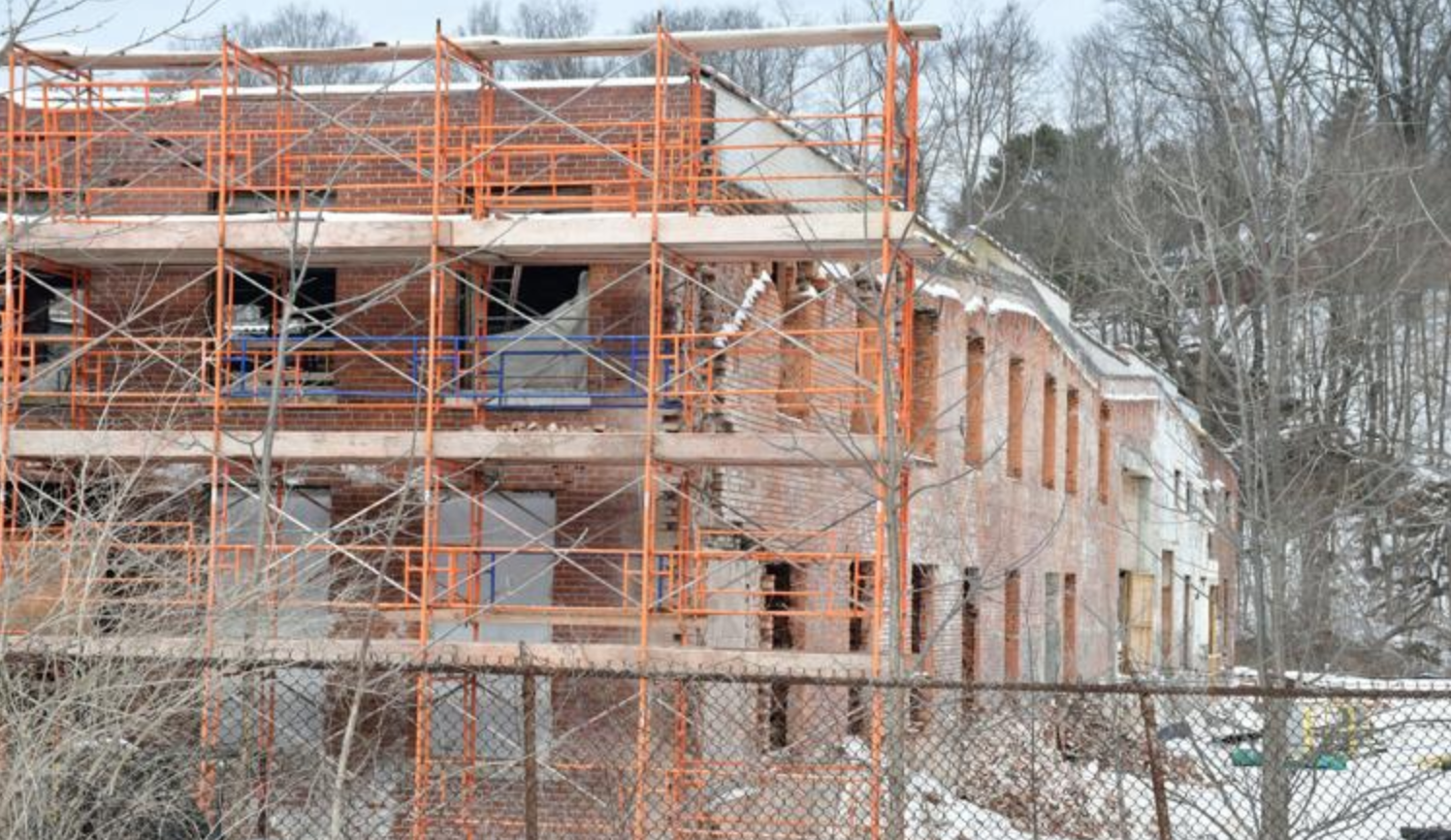
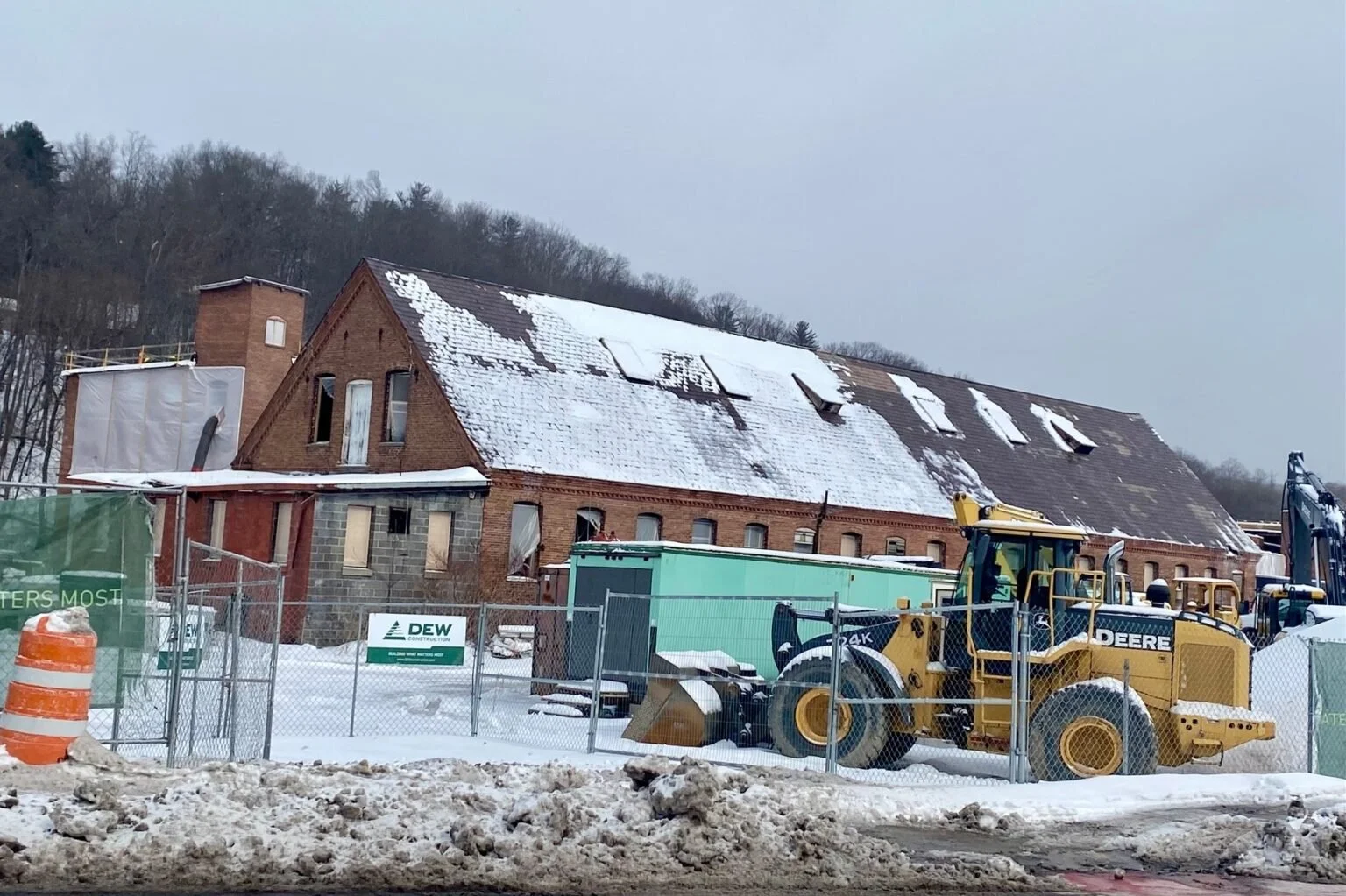
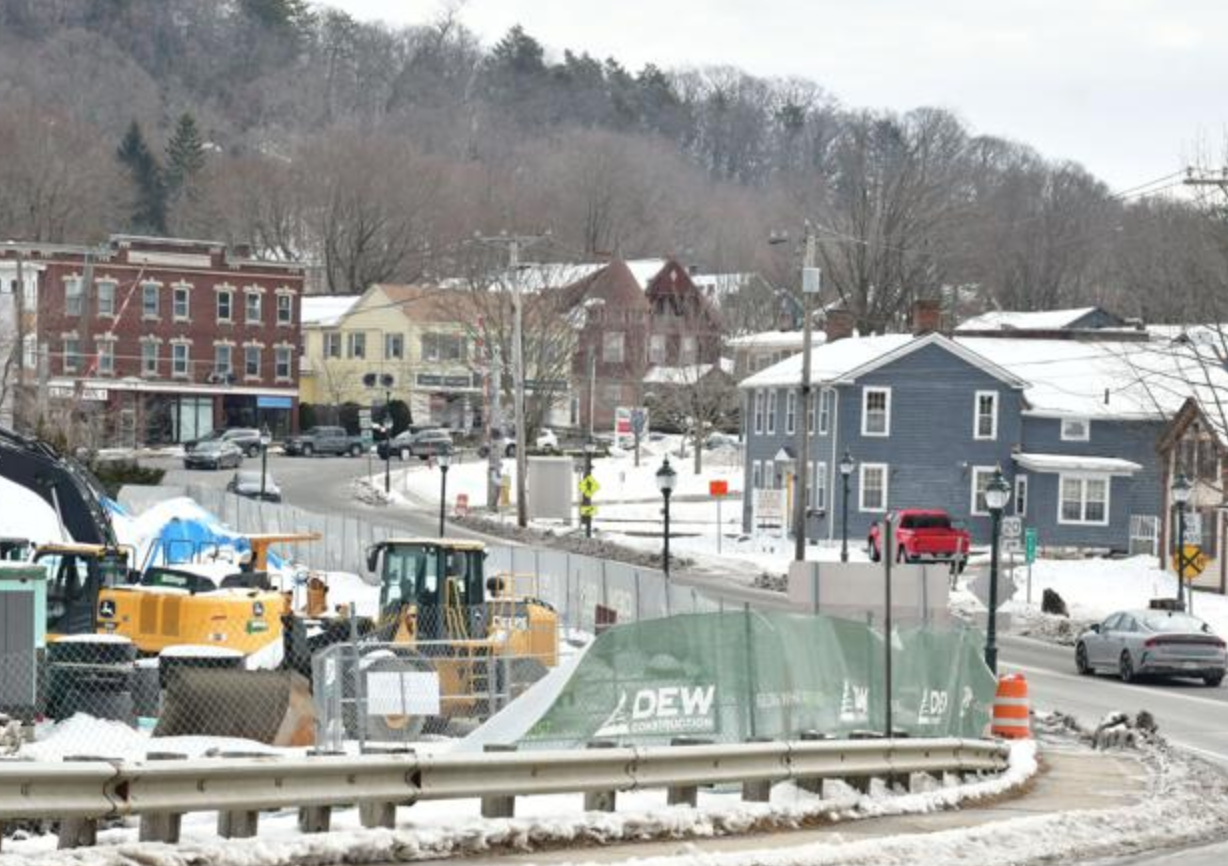
Phase I development of the Eagle and Union Mills buildings will be the first part of a multiphase plan to fully transform the former mills complex into residential and commercial space. New housing will be developed in the two primary historic mill buildings in the Eagle Mill complex. “MassHousing is excited to be part of this transformational project that is going to take a large, vacant mill property and bring it back to life as a vibrant residential community on the Housatonic River in Lee,” said MassHousing CEO Chrystal Kornegay.

August 4, 2026 - The Ribbon Cutting
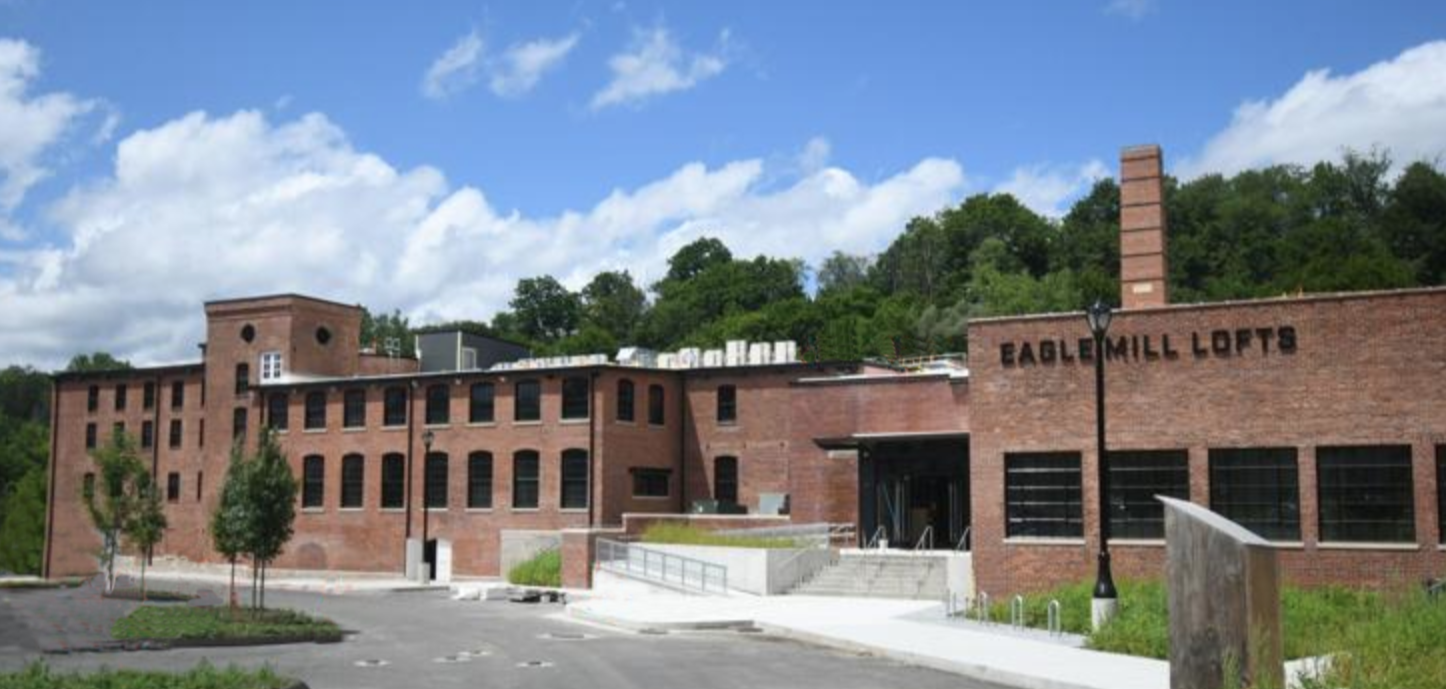
Hearthway and Rees-Larkin Development, along with key project developers and community leaders, participated in a Ribbon-Cutting for the first 56 apartments in the former historic mill. Sitting on the banks of the Housatonic, the Lofts at Eagle Mill, the Phase I development, offers one, two, and three-bedroom, mixed-income units in the heart of downtown Lee.
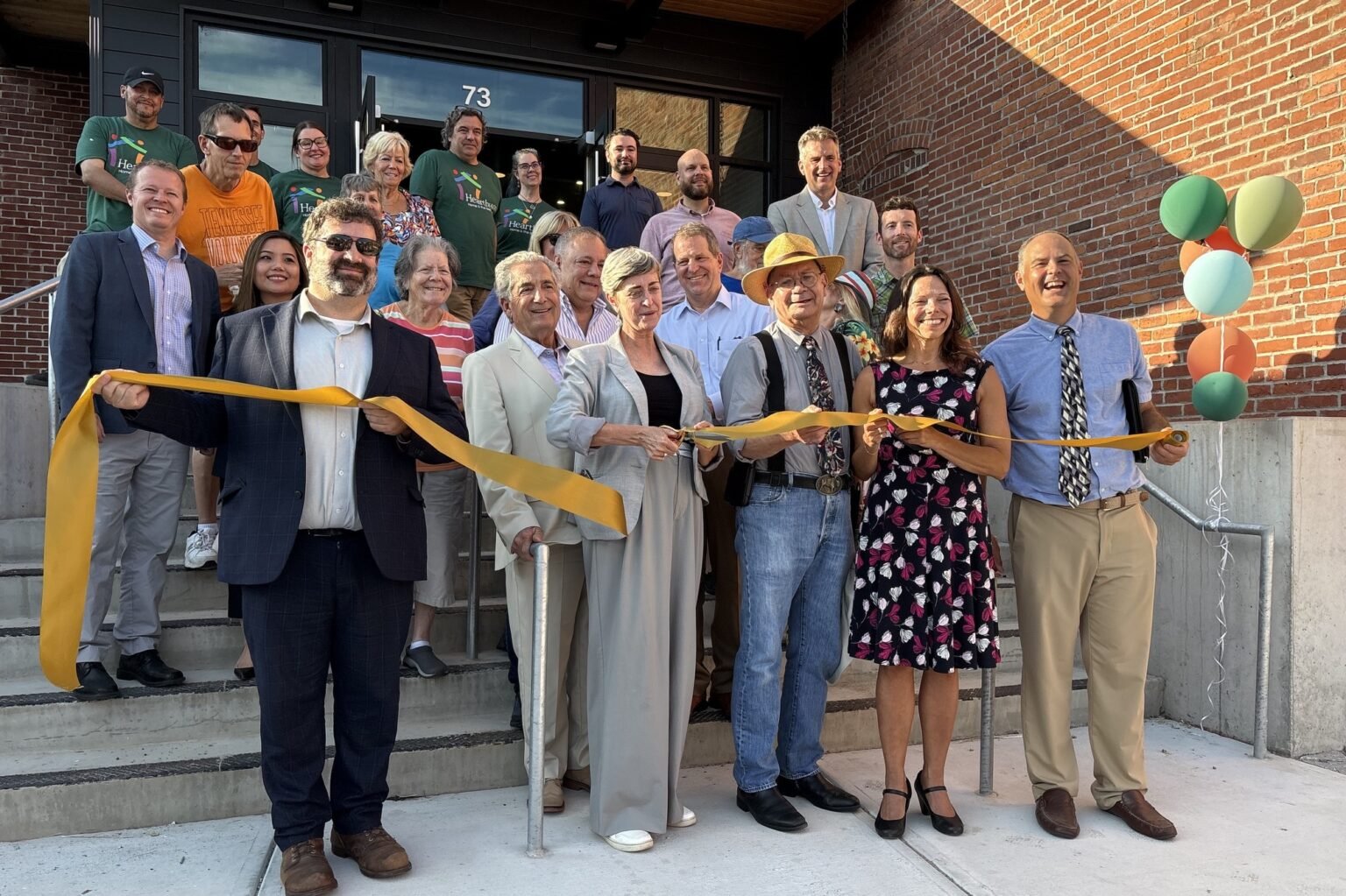
On the count of three! Hearthway President and CEO Eileen Peltier cuts the celebratory ribbon. Photo by Leslee Bassman, The Berkshire Edge
After two years of construction, Hearthway and Rees-Larkin Development apartments are ready for occupancy of Phase I of the Eagle Mill redevelopment. The project will add 56 affordable apartments to Berkshire County's housing stock. “These units are beautiful and affordable, and they speak to the commitment of our community to provide homes for all our neighbors," said Eileen Peltier, CEO of Hearthway. The new structure retains the historic mill aesthetic - the beauty and character of the original architecture and materials - but with totally modern construction and amenities. “It took a year of work to get the existing structure ready for the new development, “And once it was ready, almost everything in the mill had to be custom-made to fit into the existing structure,” added Field Engineer Gideon Cyr.

September 2026 Ready for Occupancy